
INDUSTRIAL EQUIPMENT
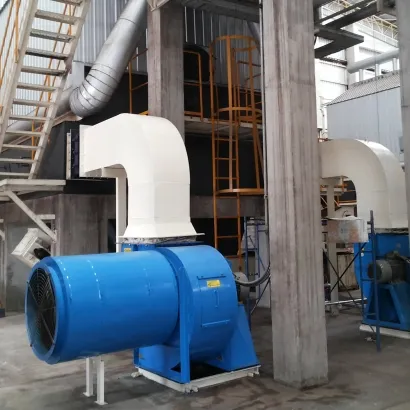
Forced Draught Fans
รุ่น / SKU: —
Eurovent fan was designed specifically for demanding heavy-duty applications, including hot gasses and fumes, induced draft, process exhaust and light concentrations of solids in a variety of industries. We combine the advantages of the radial and backward inclined blades and replace the traditional light-duty exhauster with a more rugged, longer life span. It will handle moderate to high pressures and temperatures and has a high static efficiency. - Induced Draft fans The Induced Draught fan dr
ส่งรุ่น จำนวน และการใช้งาน ให้ทีมงานช่วยตรวจสอบก่อนสั่งซื้อ
รายละเอียดสินค้า
Eurovent fan was designed specifically for demanding heavy-duty applications, including hot gasses and fumes, induced draft, process exhaust and light concentrations of solids in a variety of industries. We combine the advantages of the radial and backward inclined blades and replace the traditional light-duty exhauster with a more rugged, longer life span. It will handle moderate to high pressures and temperatures and has a high static efficiency. - Induced Draft fans The Induced Draught fan draws flue gases out of the boiler, through the air preheater, to maintain furnace conditions at just below atmospheric pressure. Control of furnace pressure is a critical safety consideration. - Forced Draught The Forced Draught fan moves cold air through the air preheater into the boiler. This air provides the oxygen used in the boiler combustion process. The FD fans have to supply large quantities of low pressure air to the boiler. Process characteristics will tend require large diameter, slow running, double inlet fans, with airfoil profile blades. - Primary air On coal and biomass fired boilers the Primary air fan moves air through the air preheater. The hot air exiting the preheater is mixed with the pulverized fuel and the air flow conveys this fuel/air mix to boiler combustion chamber. Oil fired boilers do not require primary air fans. Primary air fans often have impellers with backward curved plate or aerofoil bladed designs and as the volume flow requirement is comparatively low they are usually of a single inlet design. To be able to carry the fuel into the boiler the fan pressure requirement is relatively high. - Cold primary air fans operate with relatively clean ambient air. The use of cold air means that for a given mass flow of air into the boiler, the fan does not need to move as high a volumetric flow as a hot PA fan. This leads to a smaller fan size The process of pressurizing the air in the preheater encourages leakage of the air into the gas stream. This portion of the air is lost into the flue gas exiting the plant, which reduces the boiler efficiency. - Hot Primary Air fans operate with hot air coming out of the air heater. Using a hot primary air fan has the advantage of reducing the leakage of air into the gas stream within the preheater. As the air is hot, it has a lower density and the fan will have to move a large volume flow to maintain the mass flow required by the boiler combustion process. This means the fan needs to be slightly larger than a cold PA fan Hot primary air fans also have to be designed to resist abrasion as the hot air will now contain erosive dust particles that have been carried over into the air by the air heater. - Secondary air The secondary air fan takes air from the same sources as the Primary Air fans, however in this case the air is supplied into the boiler combustion chamber above the grate. This air creates a turbulent condition over the fuel, enhancing combustions and providing an additional oxygen source to help complete the combustion process. - Gas Recirculation Gas Recirculation fans are not always fitted to a boiler. This fan re-circulates combusted flue gas from the back end of the boiler or economizer through a dust collector and delivers the gas back to the boiler. The re-circulated gas is introduced either into the immediate vicinity of the initial burning zone of the boiler to control steam temperature or the gas is introduced near to the boiler outlet to assist in the control the furnace gas temperature, in a process known as gas tempering.
คำถามเกี่ยวกับสินค้านี้
สินค้านี้คืออะไร?
Forced Draught Fans เป็นรายการในหมวดพัดลมและโบลเวอร์.
ขอราคาและตรวจสอบรุ่นนี้ได้อย่างไร?
ส่งชื่อรุ่น จำนวน และรายละเอียดการใช้งานผ่านแบบฟอร์มขอใบเสนอราคา แล้วกดส่งในอีเมลหรือ LINE ถึง SPI ที่ระบุบนเว็บไซต์ ทีมงานจะตรวจสอบราคาและรุ่นก่อนสั่งซื้อ
ข้อมูลจำเพาะ
| ยี่ห้อ | สอบถามทีมงาน |
|---|---|
| รุ่น / SKU | Forced Draught Fans |
| หมวดสินค้า | พัดลมออกแบบพิเศษ |
Eurovent fan was designed specifically for demanding heavy-duty applications, including hot gasses and fumes, induced draft, process exhaust and light concentrations of solids in a variety of industries. We combine the advantages of the radial and backward inclined blades and replace the traditional light-duty exhauster with a more rugged, longer life span. It will handle moderate to high pressures and temperatures and has a high static efficiency. - Induced Draft fans The Induced Draught fan draws flue gases out of the boiler, through the air preheater, to maintain furnace conditions at just below atmospheric pressure. Control of furnace pressure is a critical safety consideration. - Forced Draught The Forced Draught fan moves cold air through the air preheater into the boiler. This air provides the oxygen used in the boiler combustion process. The FD fans have to supply large quantities of low pressure air to the boiler. Process characteristics will tend require large diameter, slow running, double inlet fans, with airfoil profile blades. - Primary air On coal and biomass fired boilers the Primary air fan moves air through the air preheater. The hot air exiting the preheater is mixed with the pulverized fuel and the air flow conveys this fuel/air mix to boiler combustion chamber. Oil fired boilers do not require primary air fans. Primary air fans often have impellers with backward curved plate or aerofoil bladed designs and as the volume flow requirement is comparatively low they are usually of a single inlet design. To be able to carry the fuel into the boiler the fan pressure requirement is relatively high. - Cold primary air fans operate with relatively clean ambient air. The use of cold air means that for a given mass flow of air into the boiler, the fan does not need to move as high a volumetric flow as a hot PA fan. This leads to a smaller fan size The process of pressurizing the air in the preheater encourages leakage of the air into the gas stream. This portion of the air is lost into the flue gas exiting the plant, which reduces the boiler efficiency. - Hot Primary Air fans operate with hot air coming out of the air heater. Using a hot primary air fan has the advantage of reducing the leakage of air into the gas stream within the preheater. As the air is hot, it has a lower density and the fan will have to move a large volume flow to maintain the mass flow required by the boiler combustion process. This means the fan needs to be slightly larger than a cold PA fan Hot primary air fans also have to be designed to resist abrasion as the hot air will now contain erosive dust particles that have been carried over into the air by the air heater. - Secondary air The secondary air fan takes air from the same sources as the Primary Air fans, however in this case the air is supplied into the boiler combustion chamber above the grate. This air creates a turbulent condition over the fuel, enhancing combustions and providing an additional oxygen source to help complete the combustion process. - Gas Recirculation Gas Recirculation fans are not always fitted to a boiler. This fan re-circulates combusted flue gas from the back end of the boiler or economizer through a dust collector and delivers the gas back to the boiler. The re-circulated gas is introduced either into the immediate vicinity of the initial burning zone of the boiler to control steam temperature or the gas is introduced near to the boiler outlet to assist in the control the furnace gas temperature, in a process known as gas tempering.
ข้อมูลที่ตรวจได้ยังไม่มีค่าทางเทคนิคของรุ่นนี้ โปรดขอสเปกและยืนยันรุ่นก่อนสั่งซื้อ
ขอสเปกสินค้ารุ่นนี้ ↗เอกสารและแคตตาล็อก
ต้นฉบับยังไม่มีเอกสารแนบสำหรับรายการนี้
ขอเอกสารสินค้ารุ่นนี้ ↗แหล่งข้อมูลอ้างอิง
MCG Trading · แคตตาล็อกต้นฉบับ ↗บทความที่เกี่ยวข้อง

วิธีออกแบบขนาดท่อลม (Equal Friction)
วิธีออกแบบขนาดท่อลม ( Equal Friction) Equal Friction คือ วิธีออกแบบขนาดท่อลม โดยกำหนดให้ อัตราการสูญเสียแรงดัน จากแรงเสียดทานต่อคว
อ่านบทความ ↗
การออกแบบและติดตั้งระบบท่อลม (Duct Design)
การออกแบบและติดตั้งระบบท่อลม (Duct Design) ออกแบบท่อลมระบบปรับอากาศ ทำไมต้อง "ลดขนาดท่อ" ? ไขข้อสงสัยฉบับเข้าใจง่าย หากคุณกำลังสง
อ่านบทความ ↗การออกแบบท่อลมให้ เสียงไม่ดัง (Low Noise Duct Design)
การออกแบบท่อลมให้ เสียงไม่ดัง (Low Noise Duct Design) เป็นเรื่องของการควบคุม ความเร็วลม + ความดัน + การสั่นสะเทือน + การเลือกอุปกร
อ่านบทความ ↗สินค้าในหมวดเดียวกัน


บทความที่เกี่ยวข้องทั้งหมด (67)
- ห้องน้ำห้างโซนติดแอร์ ต้องคิด 2 เรื่องพร้อมกันเพื่อดูดกลิ่นและความชื้นออก
- Aspect Ratio ท่อลม คืออะไร?
- วิธีการออกแบบท่อลม (Duct Design) ตามมาตรฐานสากล
- การคำนวณระบบปรับอากาศห้องประชุมขนาดใหญ่ (High Density Occupancy)
- มาตรฐานความเร็วลมในท่อ (Duct Velocity)
- ระบบปรับอากาศ (ห้องแรงดันลบ)
- สรุปแนวทางลด Pressure Drop แบบมืออาชีพ
- ระบบปรับอากาศ " ห้องแรงดันลบ "
- การเลือกหัวจ่ายลม (Air Diffuser / Grille / Register)
- External Static Pressure (ESP) คืออะไร และสำคัญอย่างไร
- ขั้นตอนการวัด ESP (External Static Pressure) ที่ Fan In / Fan Out
- การปรับ Balance ปริมาณลม สำคัญมากที่สุด ในงาน Cleanroom
- การทำให้ พื้นที่มีแรงดันบวก (Positive Pressure Room) เป็นหัวใจสำคัญของงานระบบ HVAC
- ท่อกลม ท่อเหลี่ยม ใช้แบบไหนดี กับงานออกแบบ HVAC
- วิธีคำนวณขนาดพัดลมระบายอากาศสำหรับโรงงานสูง 6 เมตร แบบง่าย-นำไปใช้ได้จริง
- การออกแบบห้องคลีนรูม (Cleanroom Design)
- รูปแบบการเติมอากาศบริสุทธิ์ (Fresh Air Supply Methods)
- System Effects คืออะไร?
- เจาะลึกประเภทพัดลมโรงงาน: Axial vs Centrifugal แบบไหนที่เหมาะกับงานคุณ?
- สาเหตุที่ Centrifugal Fan "ลมไม่ถึงตามที่ออกแบบ "
- การวิเคราะห์ การเกิด Condensation ที่ท่อลม
- System effect ของ พัดลม (Fan)
- การออกแบบ ระบบปรับอากาศและระบายอากาศสำหรับพื้นที่ Food Court ในห้างสรรพสินค้า
- หลักการ “การปรับปริมาณลมของระบบ VAV (Variable Air Volume)”
- การ Balance แรงดันสำหรับห้องคลีนรูม
- การออกแบบระบบปรับอากาศสำหรับห้องแยกโรค (Isolation Room)
- การออกแบบ ระบบปรับอากาศสำหรับห้องประชุมใหญ่
- การเลือกขนาด หัวจ่ายลม (Air Diffuser)
- องปรับอากาศจะต้องมีการ “เติมอากาศบริสุทธิ์ (Fresh Air)”
- พัดลมระบายอากาศ Namsae Trading ลมแรง ทนทาน โรงงานเย็นสบาย
- ความสัมพันธ์ระหว่าง Flow Rate กับ Pressure Drop
- การคำนวณ ขนาด Louver สำหรับการ เติมอากาศ (Fresh Air Intake)
- การเกิดหยดน้ำที่ผิวท่อน้ำเย็นในระบบปรับอากาศ
- พัดลมโรงงาน แรงลมสูง Namsae Trading
- การออกแบบ ระบบอัดอากาศบันไดหนีไฟ (Stair Pressurization System)
- การ ปรับบาลานซ์ลมในระบบท่อลมแบบเหลี่ยม (Rectangular Duct)
- พัดลมอุตสาหกรรม
- การคำนวณปริมาณลม CFM (Cubic Feet per Minute)
- การออกแบบท่อลม (Duct Design)
- การเดินท่อลม (ductwork)
- ACH ย่อมาจาก Air Changes per Hour
- ห้องแรงดันบวก (Positive Pressure Room)
- ค่า Static pressure ใน Catalog ของหัวจ่ายลมคืออะไร
- พัดลม Fan
- ท่อส่งลม ท่อระบายอากาศแบบ PIP ดีกว่าท่อสังกะสีอย่างไร ?
- ทำให้พื้นที่ในโรงงานเย็นลงได้อย่างไร
- ทำไมการปรับปรุงสภาพการทำงานสำหรับพนักงาน ผู้ปฏิบัติงานจึงเป็นสิ่งสำคัญ
- การเปลี่ยนถ่ายอากาศ (Air change) จะช่วยปรับปรุงคุณภาพอากาศของโรงงานได้อย่างไร
- วิธีที่คุ้มค่าและมีประสิทธิภาพในการระบายความร้อนในโรงงาน
- พัดลมระบายอากาศดียังไงใช้แบบไหนจึงเหมาะสม
- เรื่องน่ารู้ของพัดลมอุตสาหกรรม
- พัดลมดูดอากาศ เครื่องใช้ไฟฟ้าที่ควรมีติดบ้าน
- สาระความรู้เสริมเล็กๆน้อยๆ ว่าด้วยเรื่องของการคำนวณระบบลมระบายอากาศเบื้องต้น
- 5วิธีใช้พัดลมให้ประหยัดไฟ
- พัดลมอุตสาหกรรม โบลเวอร์ ระบบระบายอากาศ เพื่อคุณภาพชีวิตของคนทำงาน
- พื้นฐานการระบายอากาศ
- สาระเล็กๆน้อยๆ ว่าด้วยเรื่องการระบายอากาศในระบบอุตสาหกรรม
- ความต่างระหว่าง พัดลม กับ โบลเวอร์
- ประโยชน์ของระบบระบายอากาศ
- 9 เคล็ดลับ ตรวจเช็คและดูแลบำรุงรักษาพัดลมโบลเวอร์
- รวมเคล็ดลับ จัดการปัญหาความร้อนภายในอาคาร
- เลือกพัดลมและโบลเวอร์: ข้อมูลที่ต้องเตรียมก่อนเทียบรุ่น
- เคล็ดลับจัดการปัญหาความร้อนภายในอาคารและโรงงาน
- การติดตั้งพัดลมระบายอากาศในโรงงานอย่างถูกวิธี