
EUROVENT
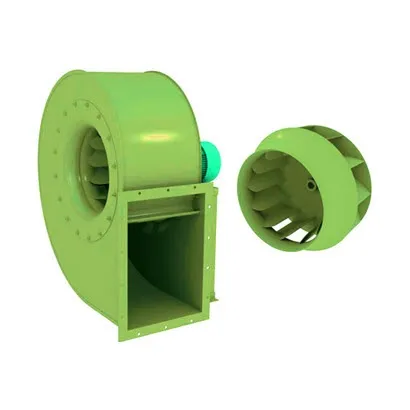
fan/blower EuroVent model LR Model (Backward Curve Direct drive)
Model / SKU: LR Model
Features - Fan operation has little noise - Fan blades have a backward direction - Air flow rate 22-1,600 m3/min - pressure centrifugal fan 10-390 mmWG - direct drive motor Structural characteristics - the transport temperature of the liquid does not exceed 80 ° C, eliminating the need for a cooling fan. This helps reduce the cost of using a cooling fan. - If the temperature exceeds 80° C -150 ° C in the transportation of liquids, a cooling fan must be required. - Fan/Blower manufactured accordi
Share the model, quantity and application so our team can confirm the selection.
Product details
Features - Fan operation has little noise - Fan blades have a backward direction - Air flow rate 22-1,600 m3/min - pressure centrifugal fan 10-390 mmWG - direct drive motor Structural characteristics - the transport temperature of the liquid does not exceed 80 ° C, eliminating the need for a cooling fan. This helps reduce the cost of using a cooling fan. - If the temperature exceeds 80° C -150 ° C in the transportation of liquids, a cooling fan must be required. - Fan/Blower manufactured according to European standards - Fan/Blower It is a blower with blades and a housing made of white mild steel and stainless steel, making it extremely durable and long-lasting. Helps reduce maintenance costs - Fan/Blower Can be used in industrial applications from small to large sizes, suitable for work with little dust. Applications - Suitable for sucking clean air or light dust in construction and air conditioning industries - Suitable for use as a ventilation system in mines and tunnels - Suitable for sucking fumes from steel welding. Vacuum from chemical tanks and in spray painting booths. - Suitable for use in wastewater treatment systems, used in storage tanks, sheds, plastic pellets, fibers, glass sheets. - Suitable for use in drying systems, food, cereals, paper, varnish, wood. - Suitable for use in disposal systems. Exhaust from smelting, toxic gas
Product questions
What is this product?
fan/blower EuroVent model LR Model (Backward Curve Direct drive) is listed under Fans and blowers, brand EUROVENT, model / SKU LR Model.
How can I request a price and confirm this model?
Enter the model, quantity and application in the quotation form, then send the prepared message by email or LINE to SPI using the contact details on this website. Confirm the price and model with the team before ordering.
Technical specifications
| Brand | EUROVENT |
|---|---|
| Model / SKU | LR Model |
| Category | Centrifugal Fans |
Features - Fan operation has little noise - Fan blades have a backward direction - Air flow rate 22-1,600 m3/min - pressure centrifugal fan 10-390 mmWG - direct drive motor Structural characteristics - the transport temperature of the liquid does not exceed 80 ° C, eliminating the need for a cooling fan. This helps reduce the cost of using a cooling fan. - If the temperature exceeds 80° C -150 ° C in the transportation of liquids, a cooling fan must be required. - Fan/Blower manufactured according to European standards - Fan/Blower It is a blower with blades and a housing made of white mild steel and stainless steel, making it extremely durable and long-lasting. Helps reduce maintenance costs - Fan/Blower Can be used in industrial applications from small to large sizes, suitable for work with little dust. Applications - Suitable for sucking clean air or light dust in construction and air conditioning industries - Suitable for use as a ventilation system in mines and tunnels - Suitable for sucking fumes from steel welding. Vacuum from chemical tanks and in spray painting booths. - Suitable for use in wastewater treatment systems, used in storage tanks, sheds, plastic pellets, fibers, glass sheets. - Suitable for use in drying systems, food, cereals, paper, varnish, wood. - Suitable for use in disposal systems. Exhaust from smelting, toxic gas
Documents & catalogs
Source references
MCG Trading · Source catalog ↗Related reading

Duct sizing with Equal Friction
Duct sizing with ( Equal Friction) Equal Friction is a duct-sizing method that keeps the pressure loss from friction per unit duct
Read article ↗
Design and installation of air duct systems (Duct Design)
Design and installation of air duct systems (Duct Design) Design air ducts for air conditioning systems. Why do you need to "reduc
Read article ↗Low Noise Duct Design
Low Noise Duct Design is a matter of controlling air speed + pressure + vibration + selecting equipment. From the origin to the di
Read article ↗Related equipment


All related articles (73)
- Department store bathrooms with air conditioning have to think about 2 at the same time to suck out odors and moisture.
- What is the Aspect Ratio of the air duct?
- How to design air ducts (Duct Design) according to international standards
- Calculation of large meeting room air conditioning systems (High Density Occupancy)
- Standards for air speed in ducts (Duct Velocity)
- Air conditioning system (negative pressure room)
- Summary of professional guidelines for reducing pressure drop
- Air conditioning system "negative pressure room"
- Choosing an air distributor (Air Diffuser / Grille / Register)
- What is External Static Pressure (ESP) and how important is it?
- Procedure for measuring ESP (External Static Pressure) at Fan In / Fan Out
- Balancing air volume is the most important thing in cleanroom work.
- Creating a positive pressure room (Positive Pressure Room) is the heart of HVAC system work.
- Round pipe or square pipe, which one is best to use for HVAC design?
- How to choose the right blower for the job
- How to calculate the size of a ventilation fan for a factory with a height of 6 meters, simple and practical.
- Cleanroom Design
- Fresh Air Supply Methods
- What are System Effects?
- In-depth look at factory fan types: Axial vs Centrifugal, which one is right for your job?
- The reason why Centrifugal Fan "wind does not reach as designed"
- Analysis of Condensation at the Air Pipe
- System effect of the fan (Fan)
- Design of air conditioning and ventilation systems for food court areas in department stores.
- Principle of “Adjusting the air volume of the VAV system (Variable Air Volume)”
- Balancing pressure for clean rooms
- Design of air conditioning system for isolation room (Isolation Room)
- Design of air conditioning system for large meeting rooms
- Selecting the size of the air diffuser (Air Diffuser)
- Air conditioning units must have “Fill in fresh air (Fresh Air)”
- Namsae Trading ventilation fan, strong wind, durable, cool factory.
- Relationship between Flow Rate and Pressure Drop
- Calculating Louver size for Fresh Air Intake
- Formation of water droplets on the surface of cold water pipes in air conditioning systems.
- Factory fan, high wind power Namsae Trading
- Design of a fire escape air compressor system (Stair Pressurization System)
- Adjusting the air balance in a rectangular duct system (Rectangular Duct)
- industrial fan
- Blower
- Calculation of air volume CFM (Cubic Feet per Minute)
- Duct Design
- Air duct work (ductwork)
- ACH stands for Air Changes per Hour.
- Positive Pressure Room
- What is the Static pressure value in the Air Nozzle Catalog?
- Fan Fan
- How are PIP ventilation pipes better than galvanized pipes?
- Benefits of Cooljet fans for industrial systems
- Why improve working conditions for employees? Operators are therefore important.
- How can air changes improve factory air quality?
- A cost-effective and efficient way to cool a factory
- How good is a ventilation fan? Which type is appropriate to use?
- Useful Facts about Industrial Fans
- An Exhaust Fan: a Useful Household Appliance
- Basic ventilation airflow calculations
- 5 impeller types and how centrifugal fans work
- 5 ways to use fans while saving electricity
- Industrial fans, blowers and ventilation systems for workers' quality of life
- Ventilation basics
- 6 wastewater treatment systems
- Notes on ventilation in industrial systems
- The difference between fans and blowers
- Understanding blowers
- Benefits of ventilation systems
- 9 tips for inspecting and maintaining blower fans
- What causes blower vibration, and what should be checked?
- Selecting Fans and Blowers: Information to Prepare before Comparing Models
- Managing Heat in Buildings and Factories
- Choosing a Blower for Industrial Work
- Installing Factory Ventilation Fans